

The race the trials are built to predict
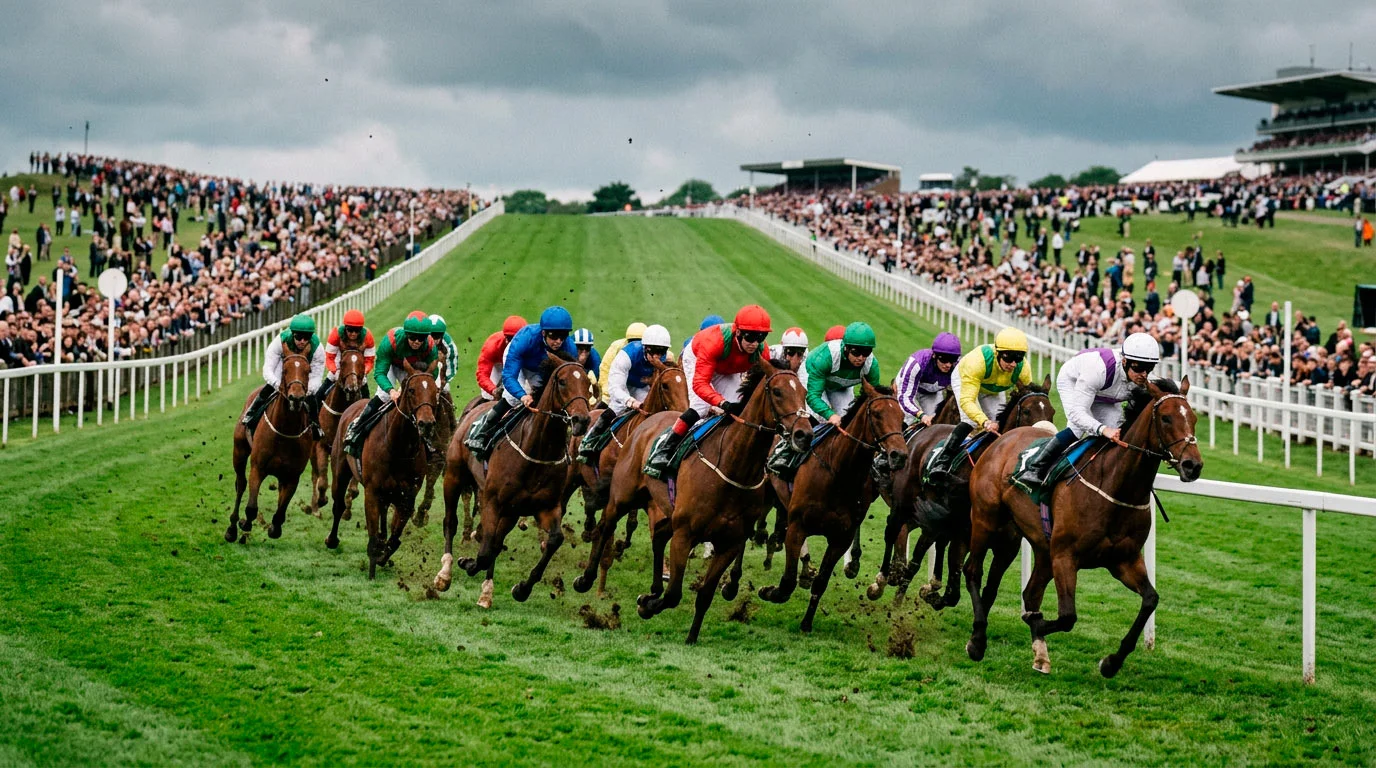
The Epsom Derby is the Flat classic that rewards patient ante-post positioning more reliably than any other race in the British calendar. Unlike the Grand National, where a 40-runner field full of stamina-dependent jumps horses generates almost random outcomes, the Derby field is a relatively compact group of three-year-old colts whose credentials have been tested through a structured series of spring trials. The ante-post market around the race develops slowly, with a logic you can follow if you understand the trials, and the patient punter who reads the progression accurately earns an edge the Derby day market cannot offer.
I have bet the Derby ante-post seriously since 2018. Some years I have had winners in the book; most years I have taken the hit of non-runners when horses did not make it from April trials through to the first Saturday in June. The trick is understanding how the market moves across the trials season and what causes it to move – information the Derby day punter does not have and cannot replicate.
Epsom course quirks
Epsom’s Derby course is unlike any other classic-distance track in British racing. The mile-and-a-half starts at a high point, runs downhill for nearly half a mile, swings around Tattenham Corner in the final three furlongs and rises slightly through the final two furlongs to the finish. The course tests balance, stamina, pace judgement and acceleration at specific points in the race that do not match any trial track.
Tattenham Corner is the defining feature. Horses hit the bend at top speed coming downhill, and any colt that does not handle the camber or lose position into the turn struggles to recover in the short final straight. A horse that has shown class on straight tracks like Newmarket or York but never raced on a cambered bend is taking a significant risk at Epsom. Pedigree and trainer judgement on Tattenham Corner suitability are real factors in ante-post price formation.
The Derby’s 12-furlong distance is also critical. Horses that stayed well over ten furlongs at the Dante Stakes or Chester Vase need to confirm that staying ability over the additional quarter-mile at Epsom, and the descent-then-rise profile of the course makes stamina demands harder to assess from trial form alone. Colts with classic pedigrees and strong middle-distance staying lines on the dam’s side carry an ante-post premium that usually proves justified.
Classic trials to watch
The Derby ante-post market moves around a defined set of spring trials. The 2000 Guineas at Newmarket in early May is the most important early marker, though most colts aimed at the Derby sit out the Guineas because the trip is too short for genuine mile-and-a-half prospects. The Derby Trial at Lingfield in May, the Dante Stakes at York in May and the Chester Vase in May are the three trials the market watches most closely. French form – the Prix Lupin and Prix Hocquart – also feeds the ante-post book.
Each trial carries different weight. The Dante has historically been the strongest Derby preparation; multiple Derby winners have arrived via York, and the trial’s 10.5-furlong distance correlates well with Epsom’s 12-furlong demands. Chester Vase’s tight left-handed turns provide a useful Tattenham Corner preview. Lingfield’s Derby Trial is the closest distance-and-shape match to Epsom itself.
In 2025 Britain had 1,423 Flat runners rated 90 or higher, almost unchanged from 1,398 in 2024. The top-end Flat population is holding steady, which matters for the Derby ante-post market because a stable elite pool produces competitive trials year after year. The quality of the trials is what makes their form readable; if the trials produced weaker fields, the ante-post market’s predictive value would collapse.
Ante-post price evolution
The Derby ante-post market opens in the previous autumn, when the juvenile season’s winners are first priced for the following spring’s classics. Prices in October and November are aggressive – 16-1, 20-1, 25-1 on horses that have not yet started their three-year-old season – and reflect the market’s willingness to speculate on juvenile form rather than the absence of credible alternatives.
The market moves substantially across the spring trials. A horse priced at 14-1 ante-post in March might collapse to 5-1 after winning the Dante; another priced at 10-1 might drift to 20-1 after finishing fourth at Chester. The early-spring prices assume the horse will run in its expected trial; if the yard changes target or the horse misses a trial through minor issues, the price reshapes quickly.
The practical lesson for ante-post bettors: the best prices are usually available in the two or three weeks after the juvenile championship form lines settle in October and before the spring trial prep runs begin. By mid-April, when the trial season is in full flow, the prices have moved substantially and the speculative edge has compressed. The punter who does the work in the November-to-February window has the best chance of banking a genuine Derby ante-post winner at a proper price.
Pedigree signals
Pedigree matters more at the Derby than at almost any other race on the British calendar. The mile-and-a-half distance is a stamina test that three-year-old colts cannot fake through raw speed; staying comes from the bloodline or it does not. Ante-post prices reflect pedigree as much as demonstrated form, and horses with deep classic staying pedigrees are routinely shorter than their race form would justify on its own.
Galileo’s bloodlines have dominated the Derby through the last two decades, producing multiple winners and a deep tail of high-placed runners. The shrinking stallion population in Britain – 107 stallions in 2025 down from 147 in 2021, with only three new retirees in 2025 – concentrates breeding even further on a narrow range of elite sires whose progeny dominate classic-distance pedigrees. Punters reading the Derby ante-post market without understanding pedigree weight the market allocates to specific sires are missing a significant chunk of the pricing logic.
The dam’s side matters as much as the sire’s. A colt by a classic-distance sire but from a mare whose family is dominated by milers usually struggles to confirm staying when pushed over 12 furlongs. The market generally prices pedigree comprehensively; yards preparing colts for the Derby usually have assessed the pedigree balance privately and send the horse to the trials with the staying question already answered. Ante-post betting is essentially betting on the yard’s private assessment.
Early summer context
The Derby sits inside a Flat season that has been under persistent commercial pressure. Betting turnover per race in 2024-25 was down 8% year on year, and the first quarter of 2025-26 saw total turnover down 9%. Premier Fixtures have held up better than Core Fixtures, and the Derby – the Saturday of the Epsom Derby meeting – is the strongest single-day Flat betting event of the year outside Royal Ascot.
The political context around the sport has sharpened. Martin Cruddace, CEO of Arena Racing Company, gave Racing Post one of the sharper soundbites of the 2025 regulatory debate: “The DCMS must grasp the nettle.” Cruddace was speaking about affordability checks and the wider regulatory reform agenda, but his framing applies equally to the Derby’s commercial context. The race’s £1 million-plus prize pool, the broadcast coverage, the international audience and the ante-post betting activity all depend on a regulated market working at scale. If that market continues to contract, the Derby will remain commercially viable at the top but the wider ecosystem around the race – the trials, the supporting card, the race’s developmental role for three-year-old colts – will come under increasing pressure.
For the punter focused on Derby ante-post specifically, the commercial turbulence is a secondary concern. The primary discipline is reading the trials, assessing the pedigrees, monitoring yard intentions and taking prices that reflect a reasonable probability of the horse making it to the first Saturday in June. Done patiently, Derby ante-post remains one of the more reliably positive-expectation operations on the British calendar. The pillar on betting at horse racing sets the wider context of how the Derby’s ante-post market sits within the year’s betting landscape.
Articles
Published by the bettingathorseracing.com team.
