

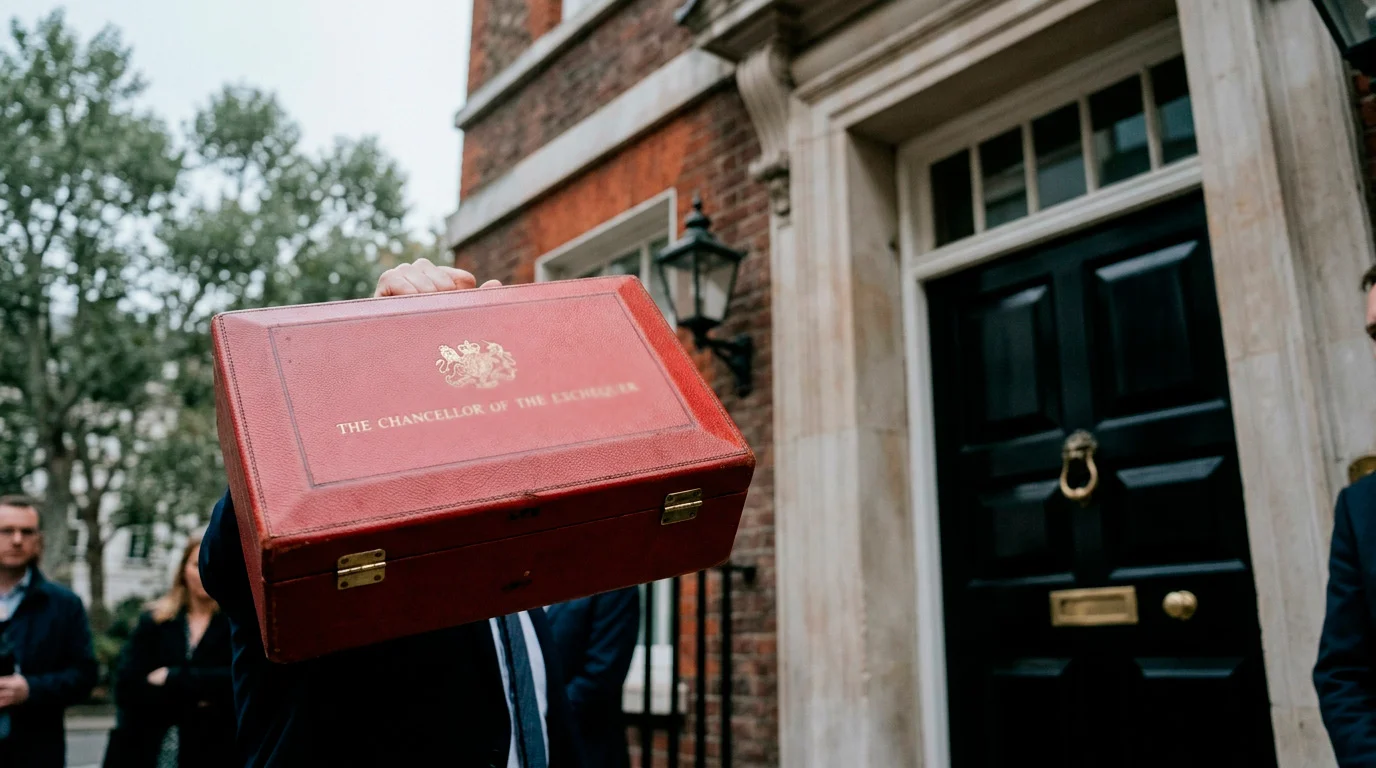
The Budget everyone in racing watched
The Autumn Budget of November 2025 delivered the most consequential tax change for British betting in a generation. The Remote Gaming Duty rose to 40% from April 2026. The General Betting Duty for remote betting rose to 25% from April 2027. And horse racing, almost alone among betting products, kept its 15% rate. The carve-out was announced as a lifeline for the sport. Within hours, the industry was arguing it was nothing of the kind.
The punter’s perspective on a betting duty change is usually simple: does this make my bets more expensive or less? But the 2025 Budget did something more complex. It reshaped the economics of the entire regulated market, creating incentives that will play out across the coming two years and will touch every corner of UK racing betting – including the 15% rate that was meant to protect the sport from the rest of the package.
The three new rates
The 2025 Budget introduced three separate duty changes on betting and gaming products. Remote Gaming Duty – the tax on online casino-style products – rose from 21% to 40%, taking effect from April 2026. The rise applies to slots, table games and other online-casino revenue streams and is by far the sharpest increase in the package.
General Betting Duty for remote sports betting rose from 15% to 25%, taking effect from April 2027. The one-year lag gives operators time to restructure before the new rate bites, and the step-change from 15% to 25% represents a substantial increase in tax per unit of gross profit. Retail betting duty remained at 15%, preserving a differential between online and high-street products.
And then the horse racing-specific carve-out: betting on horse racing retained its 15% rate even through the April 2027 sports-betting increase. The carve-out covers bets placed on British and Irish horse racing through UK-licensed operators at both remote and retail channels. Greyhound racing did not receive the same treatment and moves to the 25% rate with other sports in April 2027.
15% carve-out for racing
The carve-out was the product of intense lobbying by the British Horseracing Authority, the Betting and Gaming Council, the All-Party Parliamentary Group for Racing and Bloodstock, and several senior cross-party parliamentary figures. The argument made throughout 2024 and 2025 was that racing is structurally different to other sports for tax purposes: the sport’s prize money, integrity services and breeding industry depend on betting turnover routed through UK-licensed operators, and a rate increase would accelerate the migration of that turnover to unregulated channels.
The BHA’s Independent Modelling, released as part of its Budget engagement, warned that a harmonised 21% rate (the figure originally proposed) could have cost the sport around £66 million a year and 2,752 jobs across the racing ecosystem. The revised modelling around the 25% rate produced even higher figures. Those numbers framed the final carve-out decision.
The carve-out’s specifics are narrower than first reported. It applies to racing-only markets through UK-licensed operators; multi-sport accumulators that include a racing leg are typically subject to the standard 25% rate unless the operator can isolate the racing element. That technical detail matters commercially because operators now have an incentive to unbundle racing-within-accumulator products from pure sports accas.
Treasury revenue forecast
HMRC’s projections, confirmed by the Office for Budget Responsibility, put the combined revenue impact of the 2025 duty changes at an additional £1.1 billion a year by 2029-30. That figure combines the Remote Gaming Duty increase (the majority of the take), the General Betting Duty increase (a meaningful minority) and various technical adjustments around offshore-operator enforcement.
The Treasury’s own forecasting assumed substantial behavioural response. An estimated £500 million of activity was expected to shift to unlicensed operators as a direct consequence of the duty increases, and £26 million was allocated to counter-black-market enforcement to try to limit that migration. The Treasury’s number for unlicensed displacement is widely considered conservative; most industry analysts expect a higher shift based on the 522% unregulated traffic growth already recorded between August 2021 and September 2024.
The revenue calculation also depends on operator margin response. If operators maintain current pricing and absorb the duty increase out of gross profits, the punter-facing experience changes little and revenue hits the operator’s bottom line. If operators adjust pricing to pass through the duty – worse odds, fewer concessions, higher minimum stakes – the punter absorbs part of the cost but the behavioural response (migration to unregulated channels or reduction in play) may reduce the Treasury’s take.
Industry jobs impact
EY modelling commissioned by the Betting and Gaming Council produced the most-cited industry jobs-impact figures. The Remote Gaming Duty rise alone was projected to cost around 15,000 high-tech jobs at UK-licensed operators and to shift more than £4 billion of stakes into unlicensed channels. The higher sports betting duty was projected to add another £2 billion offshore shift and approximately 1,750 job losses.
Those figures cover the direct operator-side impact. The broader racing ecosystem’s employment exposure is larger and harder to pinpoint. Horse racing supports 85,000 jobs across Britain, including more than 20,000 directly employed at BHA-licensed racecourses. A reduction in betting turnover routed through UK-licensed operators reduces Levy income, which reduces prize money, which affects trainer and yard economics, which eventually affects employment across the breeding, training and racecourse supply chain. The chain of effects is real but its magnitude depends on the scale of the behavioural response to the tax changes.
BGC projections added further detail on the retail channel. Roughly 500 betting shop closures could result from the combined margin pressure, with an associated loss of approximately £20 million in Levy and sponsorship for racing. The retail channel had already been contracting before the Budget; the duty changes accelerate a trend that was already well underway.
What punters feel by 2027
The punter-facing consequences of the 2025 Budget will play out in stages. The April 2026 Remote Gaming Duty increase hits online casino products first, and the pass-through to punters appears as tighter RTP rates on slots and fewer generous casino bonuses. Horse racing bettors who do not play casino products feel little direct impact.
The April 2027 General Betting Duty increase is the one horse racing punters will feel indirectly. Operators’ non-racing sports-betting margins compress substantially, and the commercial response across the industry typically involves reducing promotional spend and tightening concessions across all sports, including racing. Even though racing retained the 15% rate, racing punters will see the effects of the broader margin compression on Best Odds Guaranteed offers, Non-Runner No Bet availability, extra-places programmes and welcome-offer structures.
Grainne Hurst, CEO of the Betting and Gaming Council, put the industry concern bluntly after the Budget: “Racing has seemingly been protected from higher betting duties. It sounds like a win, but anyone who understands how the sector operates knows that isn’t true. This exemption is cosmetic. Beneath the surface, this Budget delivers a devastating blow to the very ecosystem that racing relies on.” The argument is that racing’s betting economics are interwoven with the wider regulated market, and measures that damage the wider market damage racing even when racing’s own rate is unchanged.
The structural response over 2026 and 2027 will likely include consolidation among operators, reduced promotional activity, tighter operational margins on racing-specific products, and continued pressure on the Levy yield that funds British racing’s prize money. None of those effects is immediate, and none is simple to attribute directly to the Budget, but together they will shape the regulated market punters interact with. The pillar on betting at horse racing maps the UK racing betting market as a whole.
Articles
Written by the editors at bettingathorseracing.com.
